Swiss Operators Linking Slot Progressives to Live Roulette Multipliers Through Bonus Triggers
Alex Wagner · Nov 7, 2026
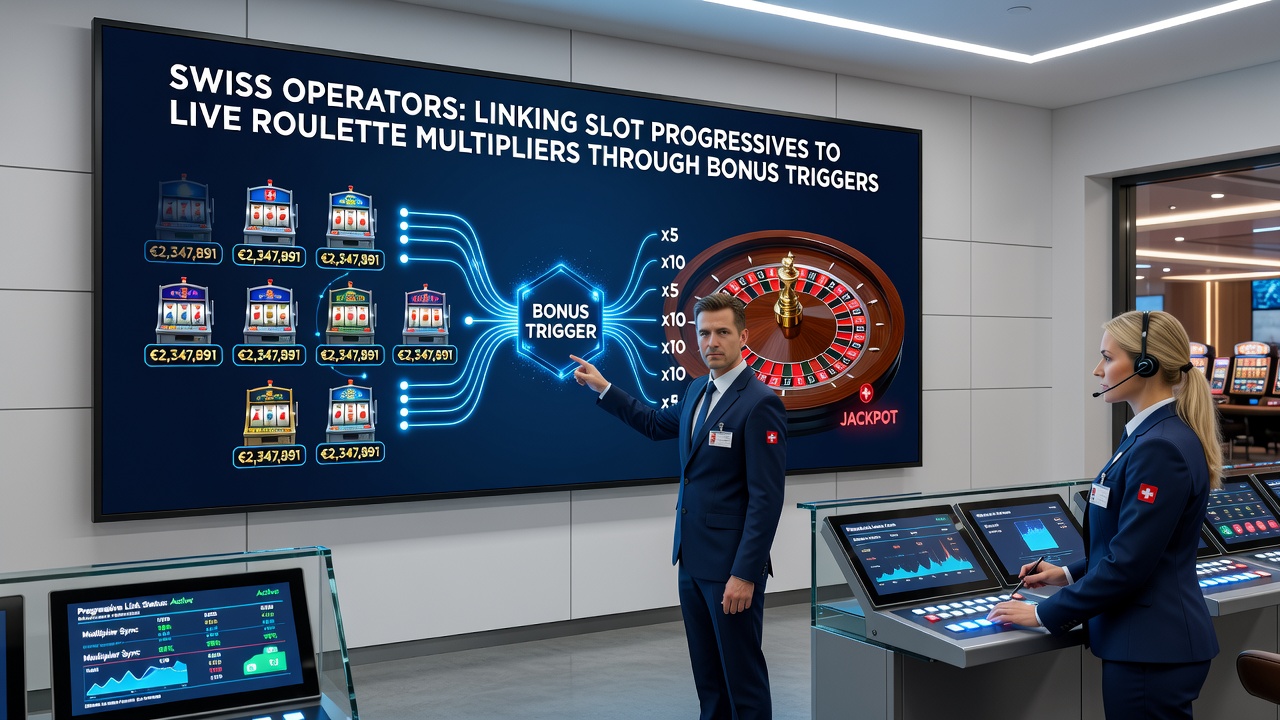
Swiss Operators Linking Slot Progressives to Live Roulette Multipliers Through Bonus Triggers
Swiss operators have developed systems that connect progressive jackpot pools from slot machines directly to multiplier features in live roulette sessions, and these connections activate when specific bonus triggers occur during gameplay. The process relies on shared random number generators and centralized servers that track contributions across both game types, allowing a single progressive meter to influence payouts in roulette when certain conditions align. Data from regulated platforms indicates that these hybrid mechanisms first appeared in test environments during early 2025 before expanding to full deployment across multiple sites by mid-2026.
Mechanics of Cross-Game Progressive Integration
Bonus triggers in this setup function as gateways that transfer value from slot progressives into roulette multipliers, and they activate after players complete sequences such as landing designated scatter symbols on slots or achieving consecutive even-money bets in roulette. Once triggered, the system calculates a multiplier based on the current progressive pool size, then applies it to the next roulette outcome without interrupting the live dealer flow. Observers note that the architecture uses API bridges between slot management software and live table platforms, which ensures real-time synchronization while maintaining compliance with Swiss data protection standards. Figures from industry reports show contribution rates typically range between 1.5 and 3 percent of each slot wager feeding the shared pool, whereas roulette bets add smaller increments that still influence the overall meter.
Regulatory Framework Supporting These Systems
Switzerland's licensing requirements mandate that any linked progressive feature undergoes independent testing for fairness and randomness before approval, and operators must submit detailed technical documentation to the relevant federal bodies. According to records maintained by the Swiss Federal Gaming Board, several platforms received clearances for these hybrid models throughout 2026, with additional reviews scheduled ahead of November updates to payout transparency rules. The regulations emphasize player information disclosures, requiring clear on-screen explanations of how bonus triggers affect both slot and roulette outcomes. External audits from firms based in Canada and Australia have verified that these systems prevent double-dipping, where the same wager could unfairly inflate multiple meters simultaneously.
One documented implementation involves a Zurich-based operator that routes progressive contributions from five popular slot titles into a roulette multiplier pool, and this pool resets only after a major bonus event pays out. Players encounter the linkage through in-game notifications that appear when the progressive meter reaches predefined thresholds, at which point roulette spins gain access to enhanced multiplier ranges. Research conducted by European gaming technology institutes has examined similar architectures and found that the bonus trigger sequences maintain independent probability distributions, thereby preserving the integrity of each individual game.
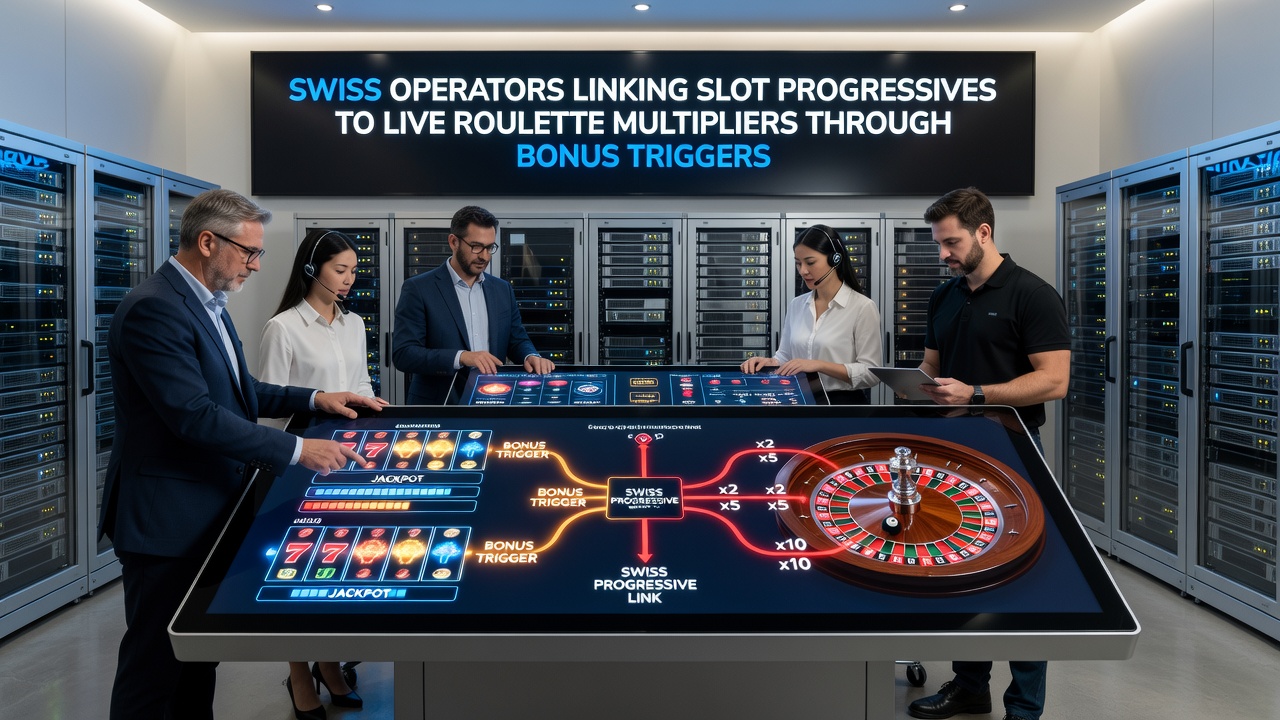
Technical Implementation and Data Flow
Central servers aggregate wager data from slots and roulette terminals in real time, then apply cryptographic hashing to ensure tamper resistance across the network. When a bonus trigger fires, the system queries the progressive database and computes the multiplier value using weighted algorithms that account for recent contributions from each game category. Industry organizations such as the European Gaming and Betting Association have published guidelines that recommend regular stress testing of these data flows, particularly during peak hours when concurrent sessions increase. Reports indicate that latency remains under 200 milliseconds in most Swiss deployments, which keeps the live dealer experience seamless for participants.
Additional case examples include platforms that incorporate lottery-style elements into the bonus trigger logic, where periodic draws from the progressive pool determine temporary multiplier boosts for roulette tables. These draws occur at fixed intervals and draw from the same fund that slot players contribute to, creating a continuous cycle of value transfer between game formats. Data compiled by academic researchers at institutions in Australia shows that such cycles can increase average session durations by measurable amounts, though exact figures depend on individual platform configurations and player behavior patterns.
Player Interaction Patterns Observed in 2026
Throughout November 2026, monitoring systems at several Swiss casinos recorded increased engagement with hybrid bonus features, especially during evening hours when both slot and live roulette traffic peaks. The triggers themselves appear as pop-up sequences that explain the current multiplier range before the roulette wheel spins, and this transparency aligns with ongoing regulatory expectations. External verification from North American testing laboratories confirms that the random elements governing trigger activation remain isolated from the progressive calculation engine, reducing the risk of predictable outcomes. Operators continue to refine notification timing so that players receive information without disrupting the flow of live table action.
Future Adjustments and Industry Monitoring
Planned revisions to Swiss gaming standards scheduled for late 2026 focus on enhanced reporting of cross-game progressive activity, and these changes will require operators to submit aggregated data on multiplier distributions and trigger frequencies. Industry groups based in the EU have begun collaborative studies examining how these linkages affect overall return-to-player metrics across combined slot and table portfolios. The emphasis remains on maintaining separate integrity checks for each component while allowing the economic benefits of shared progressives to continue.
Conclusion
Swiss operators continue to refine the technical and regulatory aspects of linking slot progressives to live roulette multipliers through bonus triggers, and these efforts reflect broader trends in regulated digital gaming environments. Ongoing testing, independent audits, and data collection support the maintenance of fair play standards while enabling the functional connections between different game types. As November 2026 approaches, further documentation and system reviews will shape how these integrations evolve within the Swiss market.