The Mechanics of Hybrid Gaming Systems Linking Lottery Draws with Live Table Interactions in Controlled Markets
Alex Wagner · Nov 21, 2026
The Mechanics of Hybrid Gaming Systems Linking Lottery Draws with Live Table Interactions in Controlled Markets
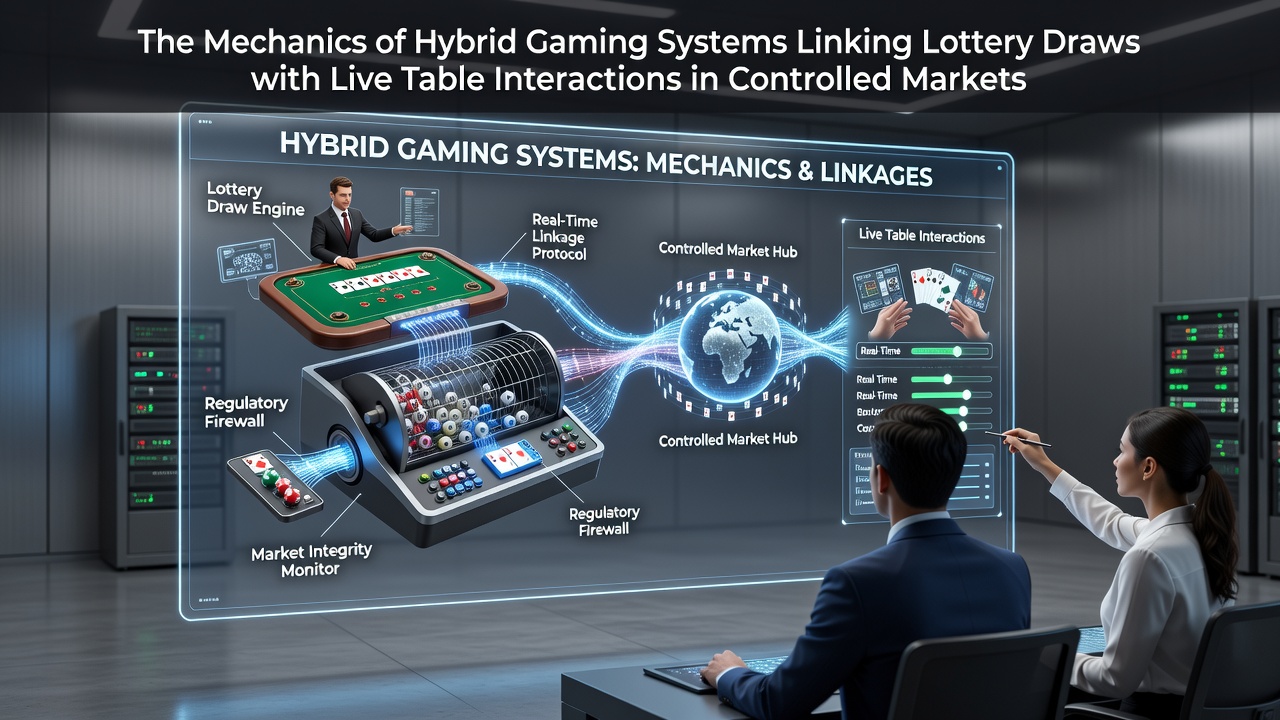
Hybrid gaming systems combine lottery draws with live table interactions through synchronized platforms that operate under strict regulatory oversight in controlled markets, and these setups allow players to participate in randomized number selections while engaging with real-time dealer games such as blackjack or roulette. Operators achieve this linkage by embedding lottery components directly into table game software, where a central server processes draw results and feeds them into the live session mechanics without disrupting the flow of bets or payouts.
Core Technical Architecture
Systems rely on certified random number generators that handle both lottery sequences and table game outcomes, while separate modules manage the live video feeds and player interfaces to ensure compliance with local licensing requirements. Data flows through encrypted channels that connect the lottery backend to the dealer terminals, allowing draw announcements to trigger multiplier effects or bonus rounds on the tables themselves. In practice, a scheduled lottery draw occurs at fixed intervals, and its results update a shared progressive pool that carries over to active live sessions, creating unified jackpot structures across formats.
Integration Processes in Practice
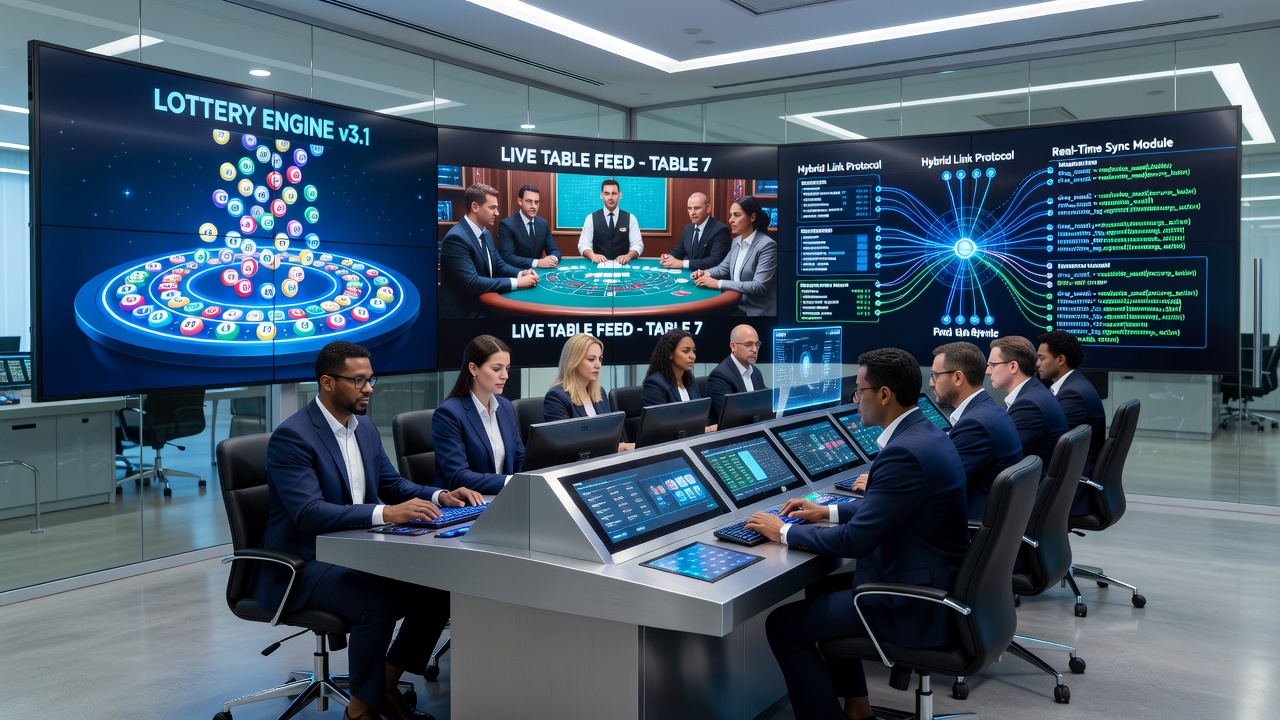
Live table interactions incorporate lottery elements when players place side bets that qualify them for draw participation, and the system automatically allocates portions of those wagers to the lottery pool while the dealer continues standard gameplay. Synchronization happens via application programming interfaces that update displays in real time, so participants see both the table cards and the pending lottery numbers without switching platforms. Regulatory bodies require independent testing of these interfaces before deployment, and audits verify that no single point of failure can alter draw integrity or table fairness simultaneously.
Regulatory Oversight Across Markets
Controlled markets enforce separation between lottery operators and casino licensees through licensing tiers that dictate how revenue splits occur and how data sharing remains limited to essential transaction records. According to the Nevada Gaming Control Board, hybrid configurations must maintain distinct audit trails for lottery components versus table game logs to prevent cross-contamination of funds. Similar rules appear in other jurisdictions, where monthly reporting covers draw frequencies, payout ratios, and any live table events that influenced lottery allocations.
Developments Around November 2026
Updates scheduled for November 2026 introduce enhanced encryption standards for cross-system communications in several North American and European controlled markets, and these changes require operators to recalibrate their servers to handle increased data volumes from simultaneous lottery draws and live sessions. Testing protocols now include stress simulations that replicate peak player loads during major draw events, ensuring the live table feeds remain stable even when lottery results generate widespread bonus activations across connected games.
Player Interaction Mechanics
Participants access these hybrids through unified accounts that track both lottery entries and table game history, and the interface presents options to allocate chips toward draw participation without interrupting ongoing hands. Observers note that visual cues such as animated number reveals appear alongside dealer actions, maintaining engagement while complying with rules that prohibit certain combined promotions in specific regions. Data from the Alcohol and Gaming Commission of Ontario indicates that such systems have expanded participation metrics in regulated environments by allowing seamless transitions between formats within a single session.
Security and Compliance Measures
Encryption protocols and multi-factor authentication protect the linkage points where lottery results feed into live table multipliers, and third-party certifiers conduct quarterly reviews to confirm adherence to jurisdictional standards. Any discrepancy between a draw outcome and its table game application triggers automatic suspension of affected sessions until manual verification completes. Industry reports from the World Lottery Association highlight that controlled markets using these hybrids have recorded consistent uptime rates above 99 percent when proper failover systems remain in place.
Conclusion
Hybrid gaming systems continue to evolve through precise technical linkages that respect regulatory boundaries while delivering integrated lottery and live table experiences. Market operators maintain these frameworks by prioritizing certified components, transparent reporting, and ongoing technical refinements that align with updates such as those planned for November 2026. The result remains a structured environment where draw mechanics and table interactions operate in tandem under established oversight.